
Last updated: June 2026
Yes, foreigners can own property in Ghana. You cannot hold freehold land, which is reserved for citizens, but you can hold a 50-year renewable lease on the land and own the building on it outright. That lease can be sold, transferred, mortgaged and inherited. Citizens and dual citizens hold up to 99 years. The key protections are a Lands Commission title search and buying in a registered development.
It is one of the first questions every diaspora and foreign buyer asks, and the answer online is often vague or simply wrong. Some pages claim foreigners can buy freehold. They cannot. Here is the accurate picture, what you actually own, how the lease renews, what tax applies, and the one assurance you should never rely on.
Can foreigners own property in Ghana?
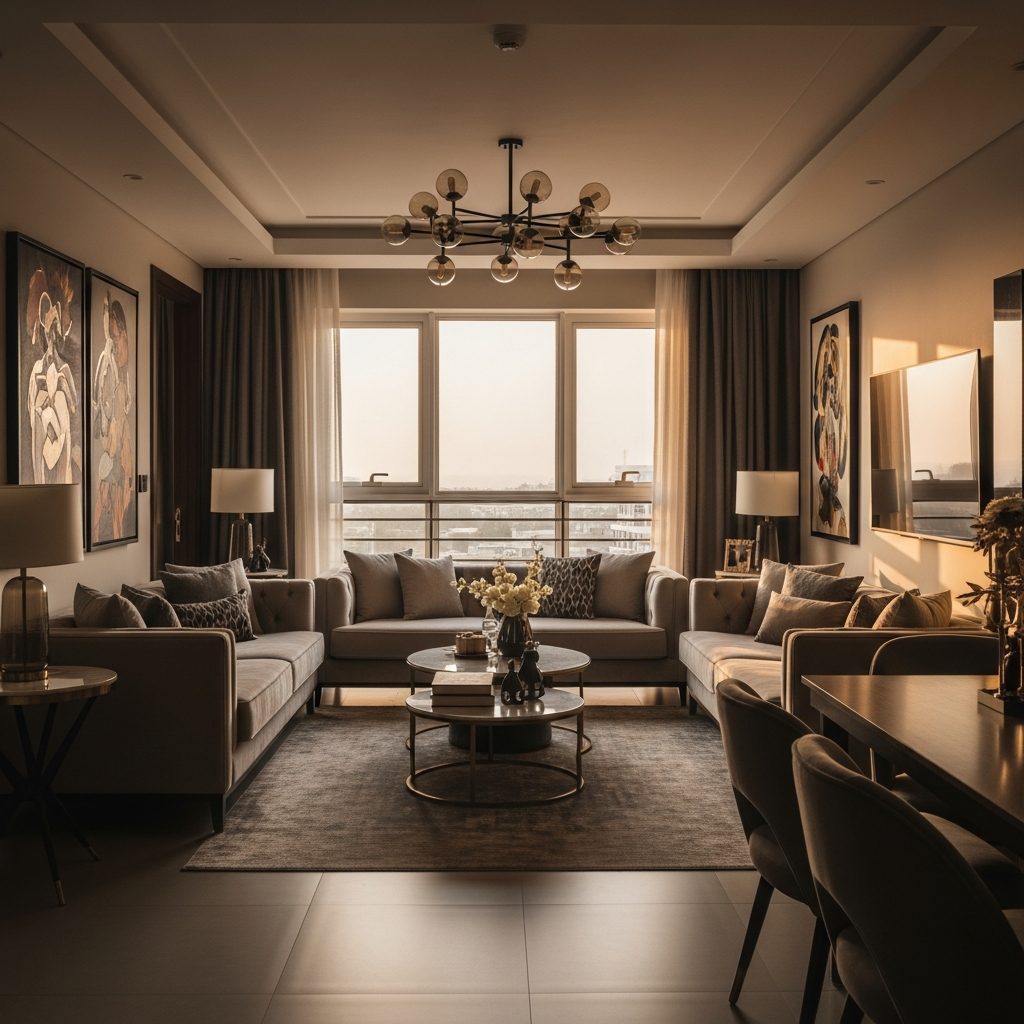
Yes. Foreign nationals can legally buy and own residential property, apartments, townhouses or detached homes, with no restriction on the type of building. The only limit is on the land: you hold it on a 50-year renewable lease rather than freehold. You own the building outright, and you can let, sell or bequeath your interest.
Ghana is one of West Africa’s more open markets for foreign buyers. You do not need residency, and you do not need a local partner. What matters is structuring the purchase correctly and verifying the land, which is the same discipline every serious buyer follows. The full process is in our guide to buying property in Ghana from abroad.
Leasehold versus freehold: what the law says
Article 266 of the 1992 Constitution reserves freehold land for Ghanaian citizens. Foreign nationals are limited to leasehold interests of up to 50 years, and any lease written for longer is automatically reduced to 50. Citizens and dual citizens can hold up to 99 years. In both cases the building on the land is owned outright.
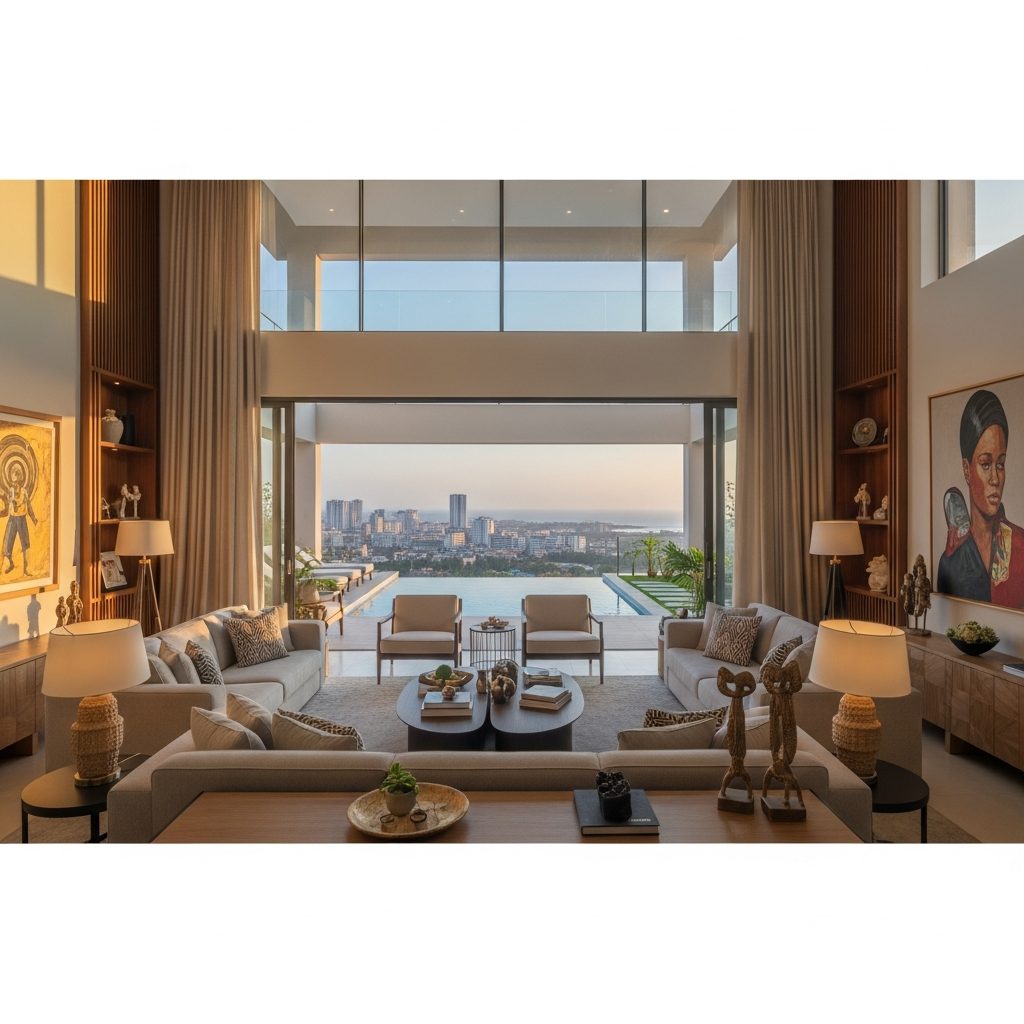
Behind the lease sits an allodial owner, the ultimate holder of the land, often a stool, family or the state. As a foreign buyer you acquire a leasehold from that structure. This sounds complex, but in a registered apartment development it is clean and standardised: you buy a unit with a clear, registered title.
| Buyer | Maximum lease on the land | The building | Can sell / transfer / inherit? |
|---|---|---|---|
| Ghanaian and dual citizens | 99 years, renewable | Owned outright | Yes |
| Foreign nationals | 50 years, renewable | Owned outright | Yes |
The Land Act 2020 (Act 1036) modernised registration and confirmed these rules. Foreign investment more broadly is governed by the Ghana Investment Promotion Centre Act, 2013 (Act 865).
What a 50-year lease actually gives you
Full practical control. During the term you can live in the property, rent it out, sell your interest, use it as security for a mortgage, and pass it to your heirs. Improvements you make to the property belong to you for the duration of the lease. A 50-year horizon also comfortably exceeds most investment and ownership timelines.
For an apartment buyer, the difference between 50 and 99 years rarely affects the investment case: you are buying a unit to let or live in over years, not raw land to hold for a century. The lease is a real, tradeable asset.
Renewing the lease (the part most guides skip)
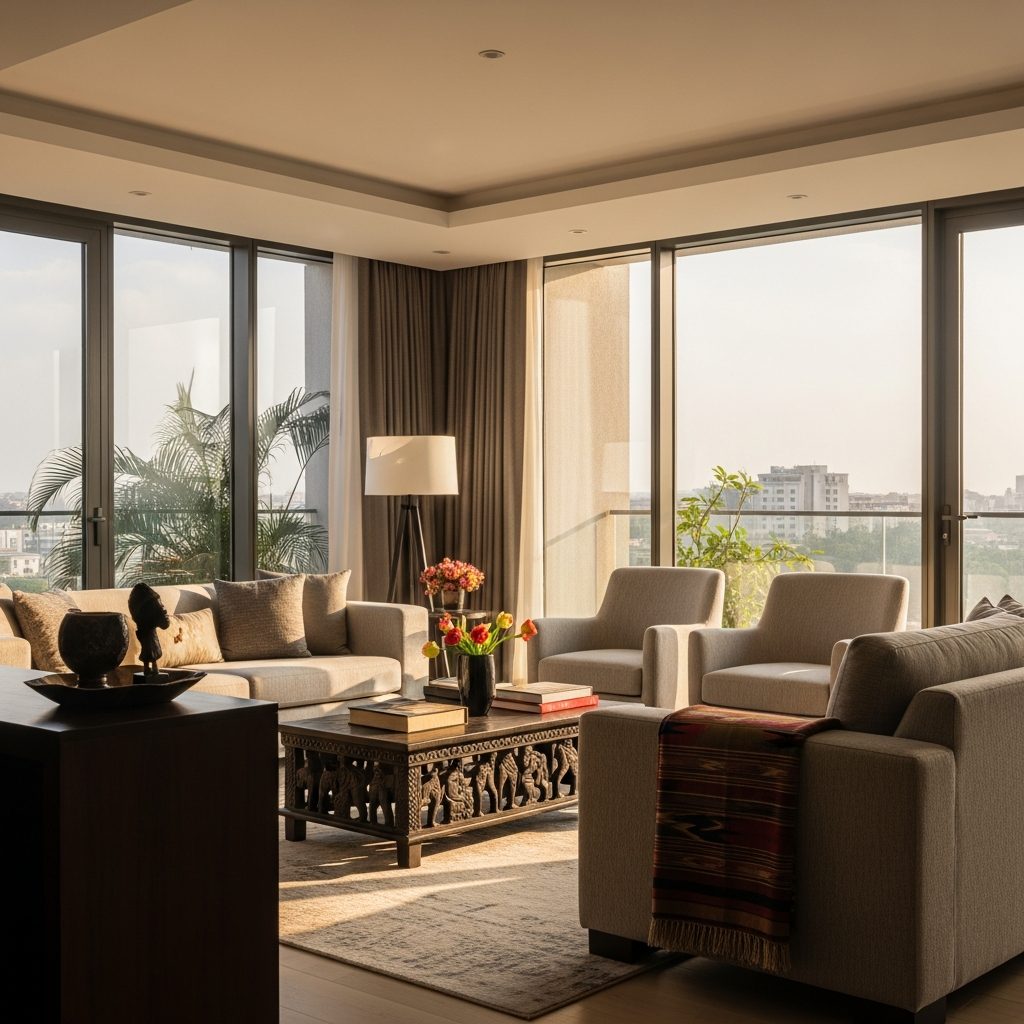
Renewal is not automatic, it is negotiated with the landowner, ideally 2 to 5 years before the lease expires. In practice, developed residential land in urban Accra is almost always renewed. If renewal were refused, the landowner typically compensates you for the structures, by agreement or independent valuation. Commercial sites face more scrutiny than homes.
This is where many online guides go quiet. The honest position: a 50-year lease is secure and renewable, but renewal is a process, not a guarantee, so it helps to buy in a well-run development where this is handled professionally rather than on stool land with an uncertain chain.
Do you need a Ghanaian partner or company?
No. A foreign national can buy independently, with no sponsor, co-buyer or minimum capital requirement, and there is no cap on how many properties you own. Buying through a Ghanaian company is an option some investors use for tax or estate reasons, but it is a choice, not a legal requirement.
Recent reforms removed strict minimum-capital hurdles for property buyers, which is why a diaspora investor can now start with a single apartment and scale later.
Tax: resident versus non-resident
Residential rental income is taxed at 8% for resident individuals, while non-residents are taxed at around 25% on Ghana-sourced rental income, so your residency status matters. Capital gains tax is 15% on the net gain when you sell, and an annual property rate applies. Ghana has double-taxation treaties with several countries, including the UK, which can relieve you of being taxed twice.
| Tax | Resident | Non-resident |
|---|---|---|
| Rental income tax | 8% | 15% |
| Capital gains tax (on the net gain) | 15% | 15% |
| Annual property rate (set by the assembly) | Applies | Applies |
New developments also carry VAT and levies, which feed into the total cost of buying. For the repatriation of your rental income or sale proceeds, see how to repatriate income from Ghana, and for the full tax picture, property taxes for foreign investors.
Held on clear, registered title
Every Imaani apartment sits on a registered leasehold with the building owned outright, the exact structure the law gives a foreign buyer. See the homes behind the title.
See titled apartmentsThe one thing no document can do
No side letter, private agreement or spoken promise can give a foreigner freehold ownership. If a document purports to, that part of it is void. Be wary of anyone assuring you that you ‘really own it forever’ despite the 50-year rule. The registered instrument at the Lands Commission is what counts.
Land litigation makes up roughly 80% of all cases in Ghana’s high courts, almost all of it traceable to weak documentation and disputed titles. A title search before you pay, and a purchase inside a registered development, removes most of that exposure. Our walkthrough is here, how to verify a land title at the Lands Commission, and the scams to avoid are in how to avoid property scams from abroad.
How a registered development removes the risk
Buying a unit in an established, registered development sidesteps most of the tenure complexity. The title is clean and registered, the lease terms are standardised, and renewal and compensation are handled professionally. At Imaani Homes we have delivered four developments since 2019, every one on time, with two fully sold out, so the paperwork behind your purchase is proven, not improvised.
JAK Royale and The Ivy sold out and were delivered on schedule; Alexis Residence in Tesano is over 90% sold; our flagship Regalia in the Airport Residential Area is open for reservations. In each, ownership is a clean, registered leasehold, exactly the structure this article describes.
Frequently asked questions
Can a foreigner own land outright in Ghana?
No. Under Article 266 of the 1992 Constitution, freehold land is reserved for Ghanaian citizens. Foreign nationals hold a leasehold of up to 50 years, renewable, and own any building on the land outright. Any document that claims to grant a foreigner freehold has no legal effect.
How long is the lease, and can it be renewed?
Up to 50 years for foreign nationals (99 for citizens and dual citizens), and any lease written for longer is automatically reduced to 50. It is renewable, but renewal is not automatic, so it is negotiated with the landowner. Developed urban residential land in Accra is almost always renewed.
Do I need a Ghanaian partner or company to buy?
No. A foreign national can buy independently, with no local sponsor or co-buyer, and there is no limit on the number of properties. Some investors do buy through a Ghanaian company for other reasons, but it is optional, not required.
Will I be taxed on rental income?
Yes. Residential rental income is taxed at 8% for resident individuals, while non-residents are taxed at the non-resident rate of around 25% on Ghana-sourced rental income; capital gains tax is 15% on the net gain when you sell. An annual property rate also applies. Ghana has double-taxation treaties with several countries, so check your own.
What is the single biggest risk?
A side promise that contradicts the registered document, for example being told you ‘really own it forever’. It has no legal effect. Verify the title at the Lands Commission and buy in a registered development with clean title.
About Imaani Homes
Imaani Homes is an Accra-based luxury real estate developer, established in 2019, building investment-grade apartments in Ghana’s most prestigious addresses. Across four developments we have delivered every project on time, with two fully sold out: JAK Royale, our debut development, and The Ivy. Alexis Residence in Tesano is over 90% sold, and our flagship Regalia, in the Airport Residential Area, is open for reservations. Our standard is simple: the right property, in the right address, delivered exactly as promised.
Want to see the paperwork first?
Ask us for the lease terms and registration status on any unit before you commit a single cedi, and we will send them straight over.
Request lease detailsImportant notice. The figures in this article, including yields, prices, costs, tax rates, and timelines, are indicative estimates based on current market conditions and public sources, and are provided for general information only. They are not guarantees, forecasts, or financial, legal, or tax advice. Actual figures vary with circumstances and change over time. Before making any decision, seek independent professional advice. All purchases are governed solely by the terms of the relevant Sales and Purchase Agreement.