

Last updated: June 2026
A weak cedi once handed diaspora buyers a real discount, but the cedi rebounded by roughly 40% in 2025 and then settled, so that window has largely closed. The durable advantage is not betting on the rate at all. Prime Accra apartments are priced and let in US dollars, so a hard-currency earner buys a dollar-denominated asset with dollar income, while the local running costs sit in cedis.
You will read a lot of confident advice that a weak cedi makes Accra a bargain for the diaspora. It is half right, and the half it gets wrong can cost you. This article separates the short-term currency story from the lasting one, so you buy for the right reason. It pairs with our deeper look at USD rental income and cedi volatility.
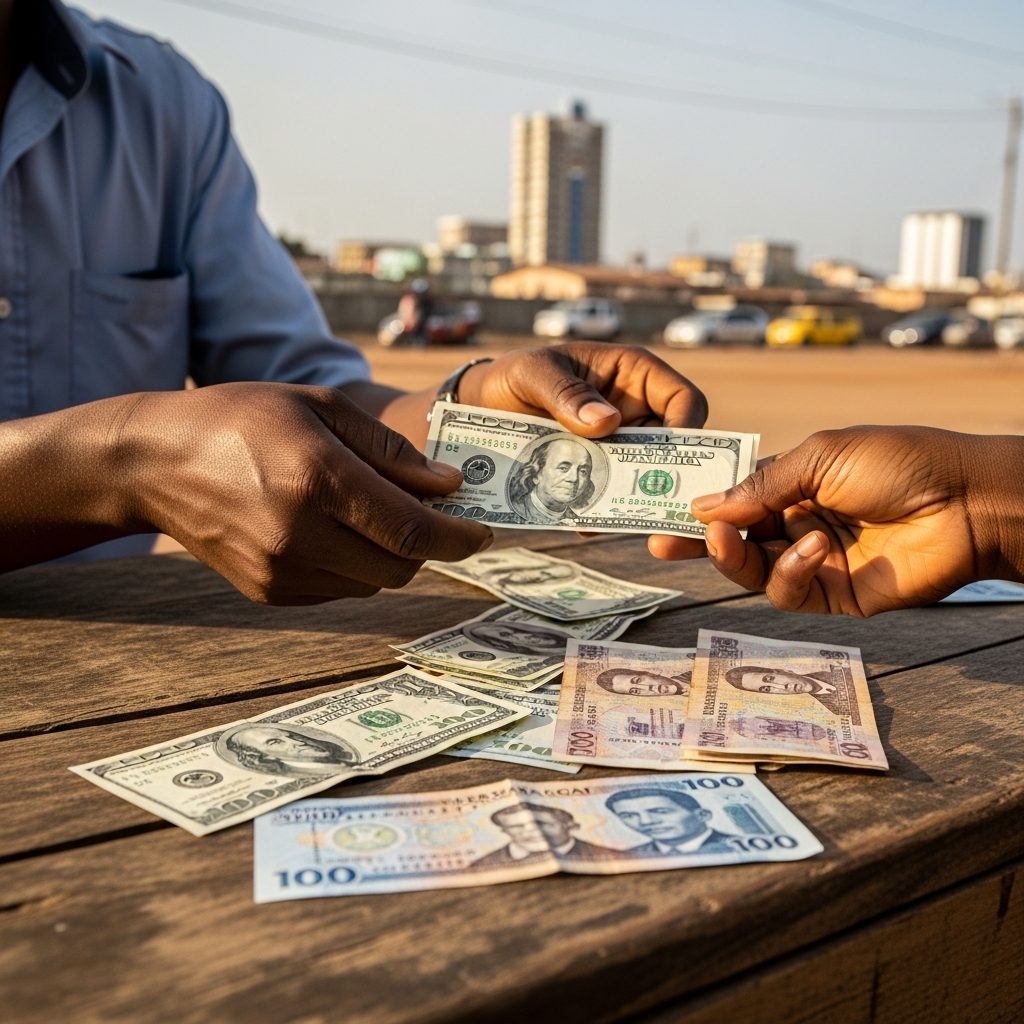
The weak-cedi discount was real, and it has narrowed
During the years the cedi was falling, hard-currency earners genuinely got more for their money, because each pound or dollar bought more cedis. That tailwind has faded: the cedi rebounded by roughly 40% against the dollar in 2025 and then stabilised, and inflation eased to around 3% in early 2026.
That recovery is healthy for Ghana, but it is honest to say the easy currency discount diaspora buyers once banked is smaller now. Anyone selling you Accra property purely on a collapsing cedi is selling you yesterday’s story.
Why betting on the rate is the wrong game
Timing a currency is speculation, not investment, and the 2025 rebound is a clean example of how quickly the thesis can flip. A purchase that only makes sense if the cedi keeps falling is a fragile purchase. The currency should be a feature of the deal, not the reason for it.

| Approach | What it relies on | How durable |
|---|---|---|
| Bet on a weak cedi | The cedi keeping on falling against your home currency | Fragile. The cedi rebounded roughly 40% in 2025, wiping out that thesis |
| Own a USD-priced asset | Pricing and rent denominated in US dollars | Durable. Your asset and income sidestep cedi swings entirely |
The table makes the point plainly. One approach needs the cedi to keep cooperating; the other does not care what the cedi does. For a long-term asset, you want the one that does not care.
The durable advantage: a hard-currency asset
Prime Accra apartments are priced and let in US dollars. For a diaspora buyer earning in dollars or pounds, that means your capital and your rental income are both in hard currency, so a cedi swing does not erode either. The cedi only touches your local running costs.
| What you hold | Currency exposure | Effect on a diaspora buyer |
|---|---|---|
| A USD-priced apartment | US dollars | Value and rent track your hard-currency thinking, not the cedi |
| USD or GBP rental income | Hard currency | Income holds its value when converted back home |
| Local running costs | Cedis | Service charges and maintenance fall in real terms when the cedi is soft |
This is the structure that holds up whichever way the cedi moves next. You fund the purchase from hard-currency savings, you receive dollar rent, and your service charges and maintenance, priced in cedis, actually fall in real terms when the cedi is soft. It is the opposite of fragile.
A dollar asset, not a currency bet

Imaani apartments are priced and let in USD and delivered on a 100% on-time record, so your capital and income sit in hard currency whatever the cedi does. See what is available.
Explore the investment caseHow a foreign-currency earner should actually play it
Buy the asset on its merits, in dollars, and treat the exchange rate as noise. Fund the purchase from hard-currency earnings, hold dollar rental income, and let the cedi-priced costs work in your favour when the cedi is weak. Do not stretch your budget on the assumption of a cheap cedi that may not return.
If you are weighing where the demand and the yields actually come from, rather than the currency, look at why the Accra rental market keeps performing and the 2026 rental yield breakdown.
About Imaani Homes
Imaani Homes is an Accra-based luxury real estate developer, established in 2019, building investment-grade apartments in Ghana’s most prestigious addresses. Across four developments we have delivered every project on time, with two fully sold out: JAK Royale, our debut development, and The Ivy. Alexis Residence in Tesano is over 90% sold, and our flagship Regalia, in the Airport Residential Area, is open for reservations. Our standard is simple: the right property, in the right address, delivered exactly as promised.
Frequently asked questions
Does a weak cedi make Accra property cheaper for the diaspora?
It did during the years the cedi was falling, when hard-currency earners got more cedis per pound or dollar. But the cedi rebounded by roughly 40% in 2025 and then stabilised, so that discount has largely closed. The lasting advantage is different: prime apartments are priced in US dollars, so you are buying a hard-currency asset rather than a cheap-cedi bargain.
Should I time my purchase to the exchange rate?
Trying to time the cedi is speculation, not investment. Because prime apartments are priced and let in US dollars, the smarter approach is to focus on the asset and the rental income in hard currency, where the cedi rate barely touches your return.
Why are Accra apartments priced in US dollars?
Developers price in dollars to protect value against cedi volatility, and corporate and expat tenants often pay rent in dollars too. For a diaspora buyer earning in pounds or dollars, that alignment removes most of the currency risk from the deal.
What happened to the cedi recently?
After several difficult years, the cedi rebounded strongly in 2025, gaining roughly 40% against the US dollar before stabilising, while inflation eased to around 3% in early 2026, a multi-year low. That recovery is good for the economy, but it also means the weak-cedi discount diaspora buyers once enjoyed has narrowed.
So where is the real advantage?
In owning a dollar-denominated asset that produces dollar income, funded from your hard-currency earnings, while the local cost base sits in cedis. That structure protects your capital and your yield whichever way the cedi moves next.
Want the numbers in your currency?
Tell us your home currency and budget and we will show you a USD-priced unit and what it could return, with the exchange-rate noise stripped out.
Talk to our diaspora teamImportant notice. The figures in this article, including yields, prices, costs, tax rates, and timelines, are indicative estimates based on current market conditions and public sources, and are provided for general information only. They are not guarantees, forecasts, or financial, legal, or tax advice. Actual figures vary with circumstances and change over time. Before making any decision, seek independent professional advice. All purchases are governed solely by the terms of the relevant Sales and Purchase Agreement.